


Author: Leon Busch

Human in the Loop Doesn’t Limit AI Scalability — It Enables It

Document processing has come a long way.

From manual data entry to basic OCR and now to AI-powered extraction, each evolution has promised greater efficiency.

Yet organizations in complex industries like energy, mining, and healthcare continue to face a fundamental challenge: balancing automation with accuracy.

Pure automation sounds appealing.

The promise of hands-off document processing that delivers perfect results every time without human intervention has been the goal of countless technology providers.

But there’s a problem. Documents in the real world are messy.

They contain handwritten notes, complex tables, non-standard formats, and industry-specific terminology that even the most advanced AI can misinterpret without context.
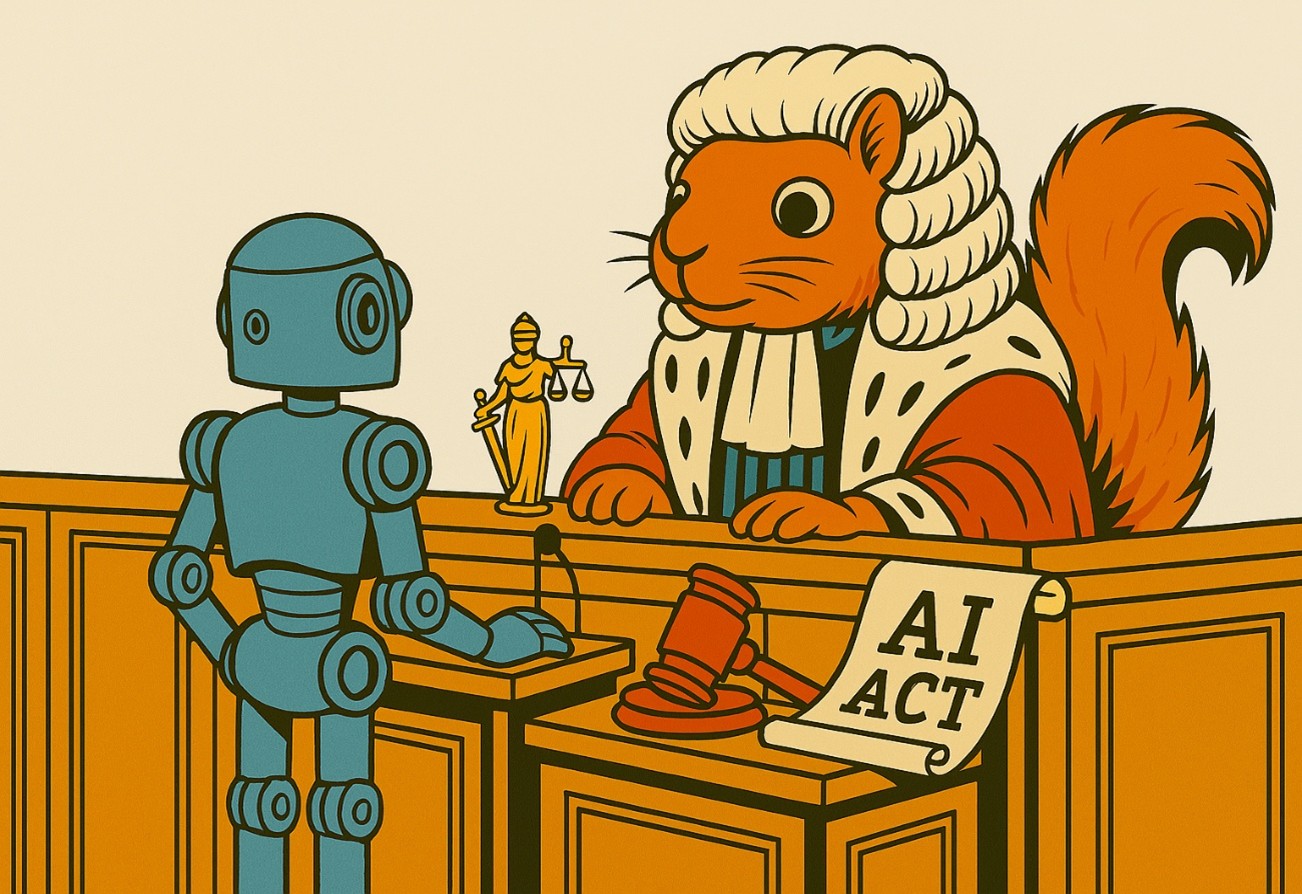

Why AI Governance Isn’t Just “Data Governance 2.0” — And Why It Matters for Every Organization

Most teams assume governing AI is just an extension of the data governance they already do. It isn’t. AI introduces new risks around how models behave, what they infer, and who’s accountable when outputs go wrong…

Yet organizations in complex industries like energy, mining, and healthcare continue to face a fundamental challenge: balancing automation with accuracy.

Pure automation sounds appealing.

The promise of hands-off document processing that delivers perfect results every time without human intervention has been the goal of countless technology providers.

But there’s a problem. Documents in the real world are messy.

They contain handwritten notes, complex tables, non-standard formats, and industry-specific terminology that even the most advanced AI can misinterpret without context.

AI for Document Redaction

Redacting sensitive information by hand is slow, inconsistent, and easy to get wrong at scale. AI can flag and remove what needs to disappear in seconds, but human review is what guarantees nothing slips through…